
Why Smart Water Shutoff Devices Need Monitoring to Deliver Real Protection
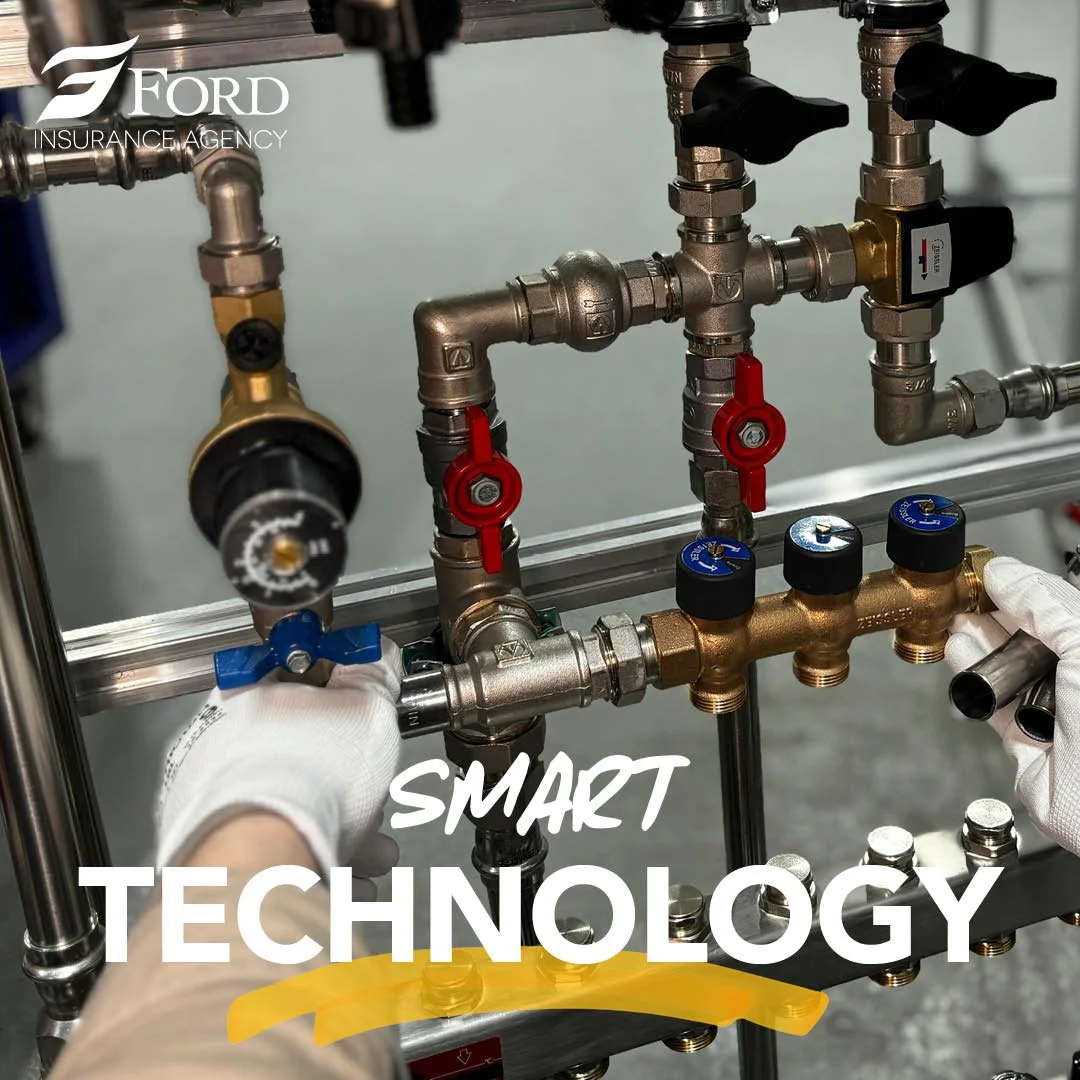
Smart home water protection devices can reduce damage risk, but only when they are installed correctly and working as intended.
In one New York home, a leak activated a smart shutoff valve, yet water continued to run because a bypass loop had been left open during installation. Situations like this show that insurers may believe risk has been lowered and grant premium discounts even when the system is not truly providing protection.
Better visibility into device performance can help solve that problem. If insurers know whether systems are active and functioning properly, they can address connectivity or installation issues early and ensure discounts are tied to real risk reduction.
Because these devices are made by many different manufacturers and operate on separate platforms, insurers often have limited ability to verify status on their own. Professional monitoring services can bridge that gap by confirming devices are installed correctly and remain operational over time.
For smart water shutoff systems, monitoring data can verify whether the unit is online, powered and communicating normally. It can also identify faults through internal diagnostics or valve self-tests. If a system loses power, goes offline or fails routine testing, alerts can indicate it may no longer be able to stop water during a leak.
Water usage data can also provide valuable insight. Monitoring platforms may identify continuous flow, micro-leaks or unusual spikes in consumption that point to developing plumbing problems before they become major claims.
Over time, collected data can reveal wear, declining performance or other issues that reduce effectiveness. This allows insurers to move beyond simply confirming installation and instead verify that the device continues to provide meaningful protection throughout the policy term.
Insurance professionals can add value by helping clients understand their home’s risk profile and recommending appropriate solutions. That includes connecting homeowners with qualified installers and trusted technology providers, while helping avoid common setup mistakes such as poor placement, bypass loops or incorrect plumbing connections.
Carriers, agents and homeowners all share responsibility in reducing losses from leaks and water damage. As leak detection systems and automatic shutoff valves become more common, homeowners need expert guidance to ensure these tools work as intended. Independent agents are well positioned to provide that support.